Top 10 Benefits of Using Stainless Steel Tube Coil for Your Projects?
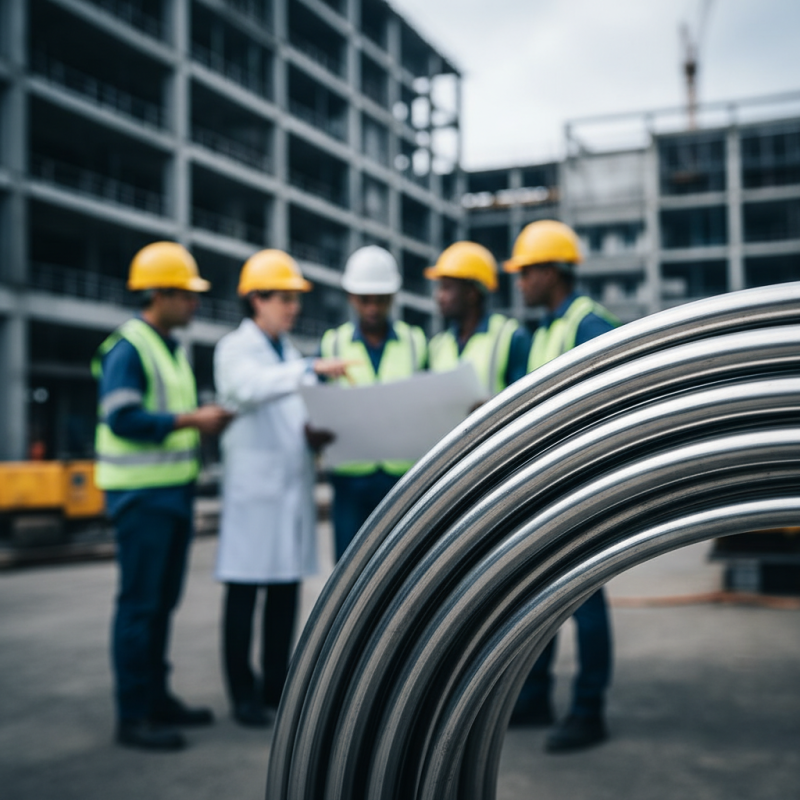
In the ever-evolving world of construction and manufacturing, the advantages of utilizing a Stainless Steel Tube Coil are paramount. Renowned expert Dr. Jane Thompson, a materials scientist with over twenty years in the field, emphasizes, "Stainless Steel Tube Coils deliver unmatched durability and flexibility for innovative design." This statement resonates with many engineers and architects who recognize the material’s potential.
Projects incorporating Stainless Steel Tube Coils benefit from various attributes. Their resistance to corrosion ensures a longer lifespan, making them ideal for outdoor applications. This reliability translates to significant cost savings over time. Moreover, the lightweight nature of these coils facilitates easier handling and installation. However, not everyone grasps their full potential. Choosing the right specifications can be challenging for some.
Emphasizing the knowledge of Stainless Steel Tube Coils can lead to better project outcomes. Innovation often hinges on material selection, and a solid understanding is essential. Despite their merits, some may overlook the importance of maintenance. Awareness can make a significant difference in performance and durability.
Benefits of Corrosion Resistance in Stainless Steel Tube Coils
The corrosion resistance of stainless steel tube coils is a critical advantage for various projects. Stainless steel contains chromium, which forms a protective layer. This layer prevents rust and deterioration. Research shows that stainless steel can withstand harsh environments and high humidity. This makes it ideal for outdoor applications and industrial settings.
Over time, materials that corrode can lead to significant financial losses. In fact, the National Association of Corrosion Engineers estimates that corrosion costs the U.S. economy over $300 billion annually. Stainless steel tube coils do not only last longer but also require less maintenance. This reliability is paramount in manufacturing and construction, where safety cannot be compromised.
Choosing stainless steel may initially seem costly. However, the long-term savings in replacement and repair costs often justify the investment. Materials that are less resistant to corrosion can fail sooner, resulting in potential hazards. Reflecting on these factors shows that durability often surpasses upfront expenses.
Thermal Conductivity: Enhancing Efficiency in Heat Exchange Applications
Stainless steel tube coils are vital in heat exchange applications. Their thermal conductivity enhances efficiency significantly. This means quicker heat transfer. Industries utilize these coils in various settings, from HVAC systems to food processing. The rapid heat exchange optimizes performance and reduces energy costs.
When selecting materials for heat exchange, consider the specific thermal properties. Not all stainless steel is created equal. Different grades offer varying conductivity levels. Maintenance is another crucial aspect. Regular inspection can prevent corrosion, extending the lifespan of your coils.
Tips: Always match the coil material to your project's requirements. Calculate heat transfer needs accurately. Improper sizing can lead to inefficiency. Don’t overlook installation details, as a poorly installed coil hampers overall performance.
Durability and Longevity: Cost-Effectiveness of Stainless Steel Tube Coils
Stainless steel tube coils are known for their durability and cost-effectiveness. Unlike other materials, stainless steel exhibits excellent resistance to corrosion and rust. According to a study by the International Stainless Steel Forum, stainless steel has a lifespan that often exceeds 30 years, making it a practical choice for many projects.
When evaluating cost-effectiveness, consider long-term savings. The initial investment in stainless steel may be higher, but reduced maintenance costs can lead to significant savings. Reports indicate that maintenance expenses can be up to 50% lower over the life cycle of a stainless steel system compared to alternatives. This is largely due to its ability to withstand harsh environments without compromising performance.
Challenges arise, however, in terms of welding and fabricating stainless steel. These processes require skilled labor and specialized equipment, which can increase initial project costs. Moreover, proper handling is crucial to avoid surface scratches, which may affect aesthetics. Despite these challenges, the long-term benefits of using stainless steel tube coils often outweigh the initial hurdles, reinforcing its value in sustainable construction practices.
Versatility in Applications: From HVAC to Chemical Processing
Stainless steel tube coils are increasingly popular across various industries. Their versatility makes them ideal for HVAC systems and chemical processing applications. According to industry reports, stainless steel’s resistance to corrosion and high temperatures enhances its appeal. This material can last significantly longer than alternatives, reducing lifecycle costs. In HVAC applications, these coils improve energy efficiency. They can withstand fluctuating temperatures, promoting optimal performance.
To maximize the benefits of stainless steel tube coils, consider proper installation techniques. Ensuring tight fittings and proper insulation can improve efficiency. Regular maintenance is also crucial to prevent corrosion and prolong the lifespan of the coils. For chemical processing, the material’s inert nature reduces the risk of contamination. This quality is vital in industries where product purity is paramount.
One expert report highlights the growing demand for stainless steel in various sectors. By 2025, usage in HVAC and chemical applications is predicted to rise by 15%. This trend emphasizes the need for reliable and efficient materials. When selecting tube coils, balancing cost with quality is essential. Investing in stainless steel can lead to greater long-term savings despite higher initial expenses.
Easier Fabrication and Customization: Streamlining Project Development
Stainless steel tube coils are becoming increasingly popular in various projects due to their versatility. They offer a unique advantage in fabrication and customization. This flexibility is essential for streamlining project development. Fabricators can easily manipulate the coils into desired shapes and sizes. This reduces time and labor costs significantly. The result is a more efficient project flow.
One notable aspect is the ease of customization. Engineers can design systems that fit specific project requirements without major alterations. The smooth surface of stainless steel also allows for easy integration with various fittings. This aspect can lead to fewer leak points and a more reliable end product. However, it’s crucial to consider that not all projects may benefit equally from stainless steel. Overestimating its capabilities in high-stress environments could lead to performance issues.
Furthermore, while stainless steel coils are durable, they can be challenging to source in certain regions. This may delay project timelines if not planned accordingly. Balancing these challenges with the benefits is key. Each project should assess its unique needs when considering stainless steel tube coils. Proper planning can turn potential obstacles into smooth solutions.
Top 10 Benefits of Using Stainless Steel Tube Coil for Your Projects
This bar chart illustrates the top 10 benefits of using stainless steel tube coils in various projects, highlighting elements such as corrosion resistance, durability, and ease of fabrication, reflecting their importance levels on a scale from 1 to 10.
