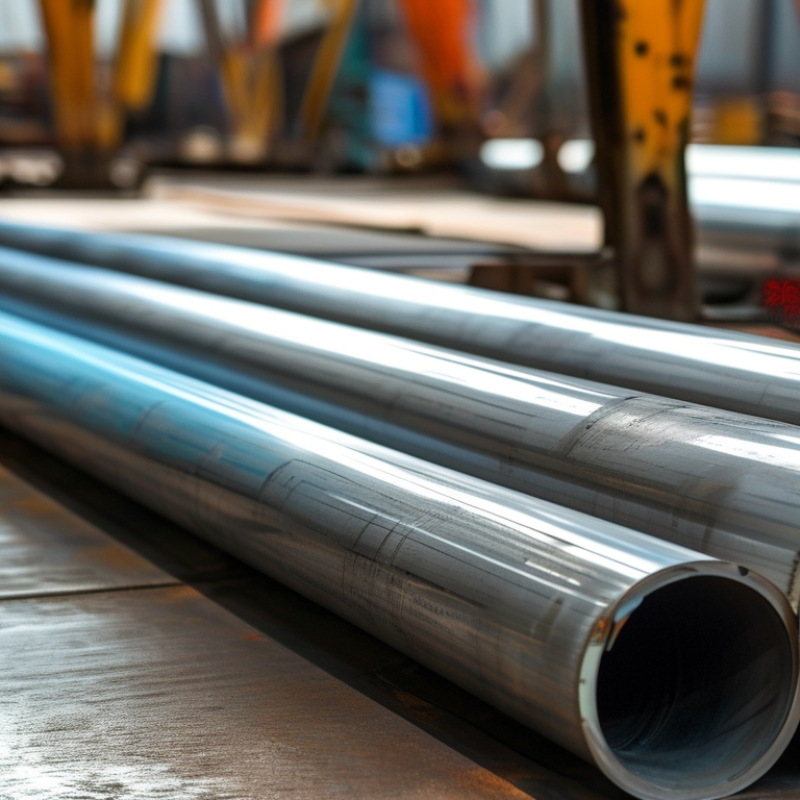
What is 201 Stainless Steel Welded Pipe Benefits and Uses?
The 201 Stainless Steel Welded Pipe stands out in the construction and manufacturing sectors. Its unique properties make it a popular choice. According to industry reports, the demand for stainless steel pipes has surged by over 5% annually. This growing interest emphasizes its versatility and strength.
201 Stainless Steel Welded Pipe offers excellent corrosion resistance and durability. It is often used in plumbing, automotive, and structural applications. The material’s cost-effectiveness is noteworthy. Its pricing is competitive compared to other alloys, making it an attractive option for budget-conscious projects.
However, reliance on 201 Stainless Steel Welded Pipe has its challenges. Users must understand its limitations, especially in high-stress environments. Proper maintenance and selection are crucial to maximizing its potential. As the industry evolves, ongoing research on performance enhancements will be essential.
Overview of 201 Stainless Steel Welded Pipe
201 Stainless Steel Welded Pipe is recognized for its unique properties and versatile applications. This type of stainless steel is commonly used in environments where oxidation and corrosion resistance are essential. With a lower nickel content than other types, it remains cost-effective while offering good mechanical properties. Reports indicate that 201 stainless steel pipes can withstand temperatures up to 870°C without significant deformation, making them ideal for high-temperature environments.
The welded pipes have gained popularity in various industries, from construction to food processing. Their smooth surface and resistance to acidic environments contribute to improved hygiene. In fact, a report from the Stainless Steel Development Association reveals that they can last over 50 years with proper maintenance. In addition, these pipes can be used in automotive exhaust systems, where environmental resistance is crucial. However, some reports indicate that they may be less durable in highly corrosive environments compared to higher-grade stainless steels.
Though they offer many advantages, the selection of 201 stainless steel pipes should involve careful consideration of the specific application. Users occasionally find limitations in their ability to perform in exceedingly harsh conditions. Understanding these challenges can help in making informed decisions when choosing materials for construction and manufacturing applications.
Benefits and Uses of 201 Stainless Steel Welded Pipe
Key Benefits of Using 201 Stainless Steel Welded Pipe
201 Stainless Steel Welded Pipes offer unique advantages for various applications. One key benefit is their corrosion resistance. The alloy's composition provides protection against oxidation and rust. This makes it suitable for environments with high humidity or exposure to chemicals.
Another significant point is its durability. These pipes can withstand high pressures and temperatures. They are often used in plumbing and heating systems, providing reliable performance over time. Additionally, they are lightweight, which makes installation easier and reduces transportation costs.
Cost-effectiveness is also a notable aspect. 201 Stainless Steel pipes are generally more affordable compared to other stainless steel grades. However, they may not be suitable for all situations. Some applications require better corrosion resistance than what 201 can offer. Awareness of these limitations is essential when selecting materials for projects.
Common Applications of 201 Stainless Steel Welded Pipe
201 stainless steel welded pipes are versatile and widely used in various industries. Their corrosion resistance and strength make them ideal for numerous applications. One common use is in architectural structures. Builders favor these pipes for handrails, frames, and support columns. Their sleek appearance also enhances the aesthetic appeal of buildings.
Another popular application is in the food and beverage industry. 201 stainless steel pipes are employed in food processing equipment and storage tanks. These pipes meet the essential hygiene standards required for food safety. They withstand high temperatures and are easy to clean, making them practical for food applications.
In the automotive sector, 201 stainless steel pipes find a place in exhaust systems. They can resist high temperatures and corrosion, which is crucial for vehicle longevity. However, the mechanical properties of 201 stainless steel can vary. Users should be aware of these differences when selecting materials for specific projects. While 201 stainless steel pipes are robust, they may not always be the best choice for highly corrosive environments. Understanding these nuances is essential for optimal material selection.
Comparison with Other Stainless Steel Grades
The 201 stainless steel welded pipe stands out but is often compared to other grades. It contains less nickel than 304 stainless steel. This difference makes 201 more cost-effective but also affects its corrosion resistance. In some environments, 201 may not perform as well as its counterparts. For example, in coastal areas, it might show signs of rust faster than 304.
When considering strength, 201 stainless steel offers decent mechanical properties. Its tensile strength is comparable to other grades, yet it may lack some ductility. This could lead to challenges in certain applications, like bending or forming. Users should weigh these factors carefully based on their specific needs.
Manufacturers often use 201 stainless steel for less demanding environments. It works well for furniture, wall cladding, and some piping systems. Yet, for critical applications such as chemical processing, higher-grade stainless steel like 316 is usually preferred. Ultimately, understanding the limitations of 201 stainless steel is essential for informed decision-making.
What is 201 Stainless Steel Welded Pipe Benefits and Uses? - Comparison with Other Stainless Steel Grades
| Property | 201 Stainless Steel | 304 Stainless Steel | 316 Stainless Steel |
| Corrosion Resistance | Moderate | Excellent | Superior |
| Strength | High | Moderate | High |
| Weldability | Good | Excellent | Good |
| Cost | Low | Moderate | High |
| Common Applications | Kitchenware, automotive parts | Food processing, chemical storage | Marine applications, medical devices |
Maintenance and Care for 201 Stainless Steel Welded Pipe
When it comes to 201 stainless steel welded pipes, maintenance is crucial for longevity. Regularly cleaning the surface helps prevent corrosion. A mixture of mild soap and water works well. Use a soft cloth or sponge; avoid abrasive materials. Even minor scratches can compromise the protective layer.
Inspections are key. Look for any signs of rust or wear. Early detection can save time and costs. Don't ignore small issues; they can escalate. Proper storage is essential, especially in humid environments. Elevate the pipes to avoid ground moisture contact.
For best results, consider occasional professional assessments. Experienced technicians can spot issues that go unnoticed. They may recommend specific treatments based on the environment and usage. Regular maintenance routines ensure that the pipes remain functional and visually appealing over time.