Why American Steel is Essential for the Future of Infrastructure Development
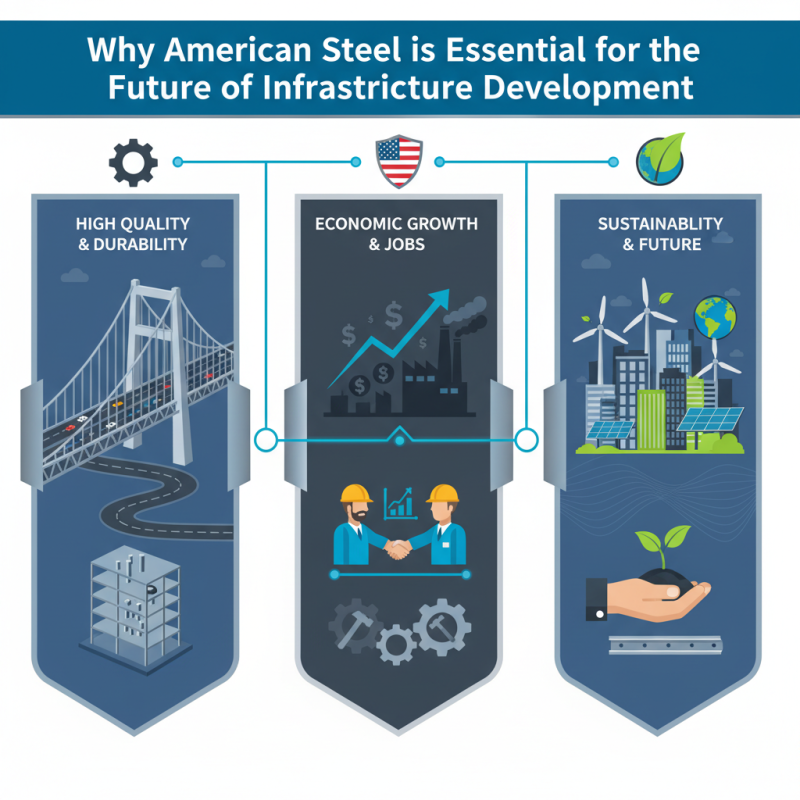
In an era marked by rapid technological advancement and a growing emphasis on sustainable development, the role of American steel in infrastructure development remains critical. As countries around the world strive to modernize their infrastructure systems, American steel stands out as a reliable and essential material due to its high quality and durability. The construction of bridges, roads, and buildings relies heavily on steel, making it a cornerstone of any robust infrastructure project.
Moreover, investing in American steel not only bolsters domestic industries but also promotes job creation and economic growth within the United States. By prioritizing local sources of steel, we can ensure that infrastructure projects are not only built to last but also support local economies and communities. As we look ahead, leveraging American steel for future infrastructure development will be vital in meeting the challenges posed by urbanization and climate change, positioning the nation to thrive in a rapidly changing global landscape.
The Role of American Steel in Modern Infrastructure Projects
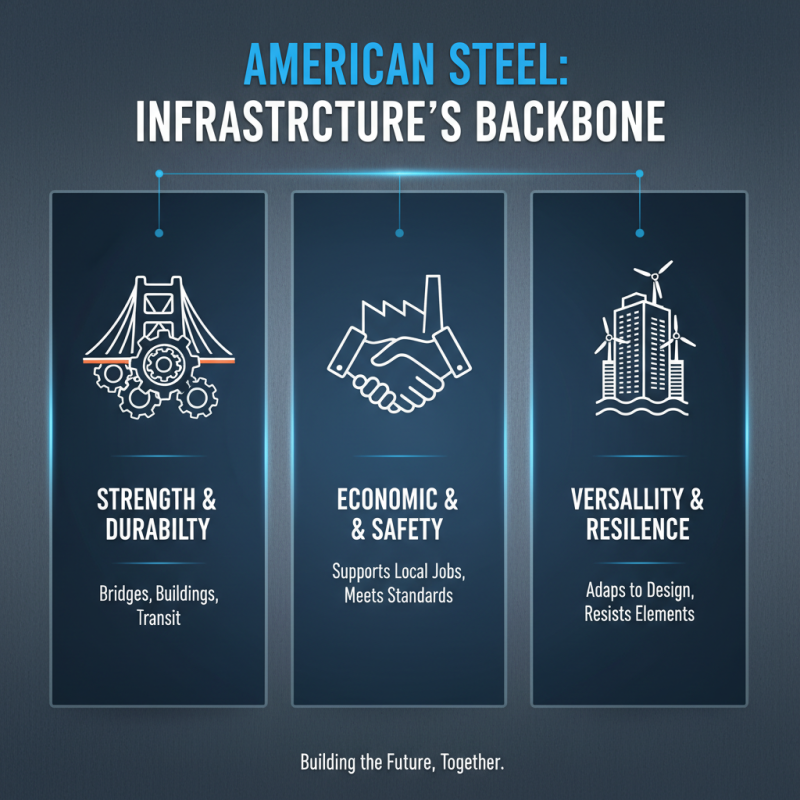
American steel plays a crucial role in modern infrastructure projects, serving as the backbone of construction for bridges, buildings, and transportation systems. Its strength, durability, and versatility make it the preferred material for engineers and architects striving to meet the demands of contemporary development. The use of American steel not only supports local economies but also ensures compliance with stringent safety standards, helping to create long-lasting structures that can withstand various environmental challenges.
Tips: When considering materials for infrastructure projects, always prioritize local sourcing. This supports the economy and reduces the carbon footprint associated with transportation. Additionally, consult with local steel suppliers to explore options that may offer enhanced sustainability features, such as recycled content or lower emissions during production.
Furthermore, the integration of American steel in infrastructure projects fosters innovation in design and construction methodologies. With advancements in steel technology, such as high-strength steel and smart steel, project teams can achieve greater efficiency and cost-effectiveness. Incorporating these innovations enables infrastructure that meets the demands of a growing population while also addressing challenges like climate change and urbanization.
Tips: Engage with industry experts to stay updated on the latest advancements in steel technology. Networking with professionals can provide insights into best practices and emerging trends that can enhance the overall effectiveness of your infrastructure projects.
Economic Impact of Domestic Steel Production on Local Economies
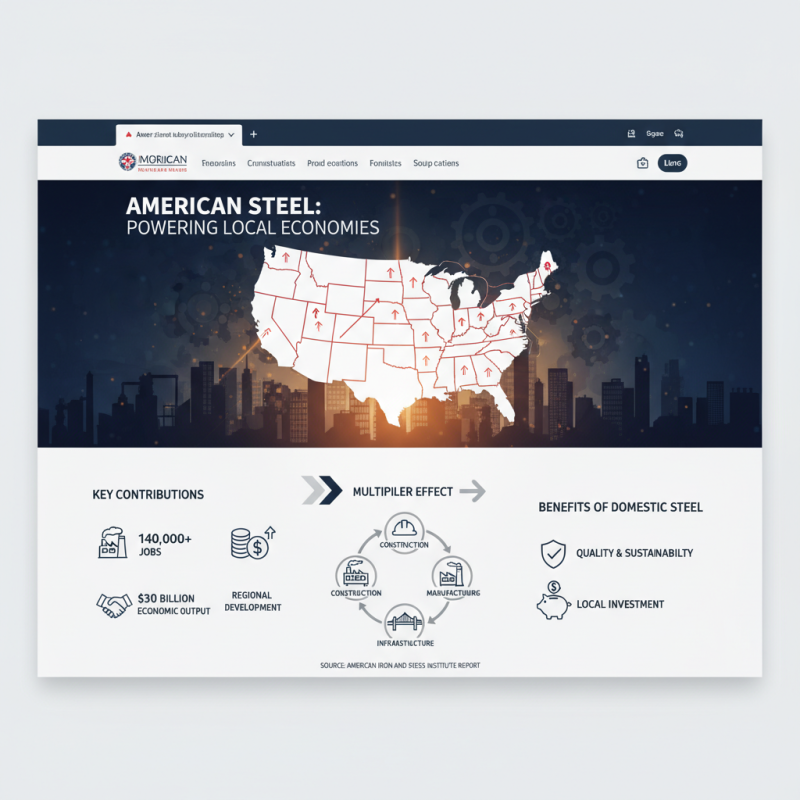
American steel production plays a pivotal role in bolstering local economies, contributing significantly to job creation and regional development. According to a recent report by the American Iron and Steel Institute, the steel industry directly supports over 140,000 jobs nationwide and generates around $30 billion in economic output. The ripple effects of this economic activity can be witnessed across various sectors, from construction to manufacturing, where steel serves as a backbone for infrastructure projects. For instance, projects that utilize domestically produced steel not only ensure quality and sustainability but also keep funds within the local economy, creating a multiplier effect that fuels further growth.
Tips: When advocating for domestic steel in infrastructure projects, consider emphasizing the importance of local sourcing for both economic security and sustainability. Engaging with community stakeholders during project planning can foster strong support for initiatives that prioritize American steel, further integrating local interests with national infrastructure goals.
Moreover, investments in American steel have shown to stimulate advancements in technology and sustainable practices within the industry. With increasing investments in green steel production methods, the local economy can benefit from reduced environmental impacts alongside economic gains. The U.S. Department of Commerce has highlighted that for every job in the steel industry, an additional 7 jobs are created in related fields, reinforcing the argument that supporting domestic steel is not just an industry concern but a broader economic strategy vital for infrastructure development.
Tips: Highlight the technological advancements in domestic steel production when discussing infrastructure projects. Incorporating environmentally friendly practices can attract additional funding and public support, enhancing the overall success of the projects.
Sustainability Benefits of Using American Steel in Construction
The use of American steel in construction projects plays a pivotal role in promoting sustainability, particularly in infrastructure development. According to a report by the American Iron and Steel Institute, steel is one of the most recycled materials globally, with an impressive recycling rate of about 90%. This high level of recyclability not only conserves natural resources but also significantly reduces greenhouse gas emissions associated with the production of new steel. Utilizing locally sourced American steel minimizes transportation emissions, reinforcing the sustainability of construction practices.
Moreover, studies have shown that structures built with American steel exhibit superior durability and longevity, which directly contributes to sustainable development goals. A report by the U.S. Forest Service highlights that steel structures can last over 50 years, reducing the need for frequent replacements and thus lowering the environmental impact over the lifecycle of the building. By investing in American steel, construction projects can minimize waste and energy consumption, which, according to the Construction Industry Institute, can lead to overall cost savings of about 20% in lifecycle management. This not only bolsters the economy but also enhances the resilience of infrastructure against climate change, paving the way for a more sustainable future.
Why American Steel is Essential for the Future of Infrastructure Development
This chart illustrates the sustainability benefits of using American steel in infrastructure development. It highlights the significant reductions in CO2 emissions, high recycling rates, potential job creation, and overall economic impact of utilizing domestically produced steel in construction projects.
Technological Innovations in American Steel Manufacturing
Technological innovations in American steel manufacturing have significantly enhanced efficiency, sustainability, and quality. Advanced processes such as electric arc furnaces and automation have transformed traditional methods, allowing for reduced energy consumption and lower greenhouse gas emissions. By leveraging these technologies, steel manufacturers can produce metal with higher purity and fewer impurities, which is crucial for high-performance infrastructure projects. This shift not only meets regulatory standards but also aligns with the growing demand for eco-friendly construction practices.
Moreover, the integration of digital technologies, including the Internet of Things (IoT) and artificial intelligence (AI), is revolutionizing steel production. Predictive maintenance powered by AI ensures that equipment runs smoothly, minimizing downtime and maximizing output. IoT sensors monitor environmental conditions in real-time, enhancing material quality while reducing waste. These technological advancements help American steel manufacturers stay competitive in a global market by increasing operational efficiency and allowing for more precise and rapid responses to market demands.
Consequently, the evolution of steel manufacturing technology supports the broader goal of building resilient and sustainable infrastructure for the future.
Future Challenges and Opportunities for the Steel Industry in Infrastructure
The steel industry faces a dual challenge in the coming years: meeting the demands of modern infrastructure while navigating the complexities of sustainability and technological advancement. As the global infrastructure landscape evolves, the need for high-quality, American-made steel becomes paramount. This steel is not only crucial for new bridges, roads, and buildings; it also supports the transition to more sustainable materials and practices. The challenge lies in innovating production processes to reduce emissions while maintaining the performance and durability that steel offers.
Tips: Engaging with local steel producers can provide insight into sustainable practices in the industry. Look for partnerships that prioritize green technology and support the dual goals of infrastructure improvement and environmental responsibility.
Moreover, the steel industry has significant opportunities in sectors such as renewable energy and electric vehicles. As more infrastructure projects focus on integrating these technologies, American steel producers can position themselves as leaders by developing specialized products that meet these specific needs. This not only ensures competitiveness on a global scale but also fosters economic growth within local communities.
Tips: Stay informed about upcoming infrastructure projects in your area. Networking with project planners and engineers can open avenues for collaboration, ensuring that the benefits of American steel are realized in future developments.