What is Aluminum Strut and How to Choose the Right Type?
Choosing the right aluminum strut can significantly impact your project’s success. Jason Miller, an industry expert, emphasizes, “The right strut can make all the difference in performance.” Aluminum struts are lightweight yet durable. They are used in various applications, from automotive to aerospace.
Understanding the different types of aluminum struts is crucial. Each type has unique benefits and drawbacks. The options can be overwhelming for newcomers. Many people overlook critical factors when selecting a strut. The wrong choice can lead to structural failures or increased costs.
To navigate the complexities, one must consider specific project needs. Load capacity, environmental conditions, and design requirements play vital roles. Engaging with professionals who understand these intricacies can help in making informed decisions. In the world of aluminum struts, expertise is invaluable.
Understanding the Basics: What is Aluminum Strut?
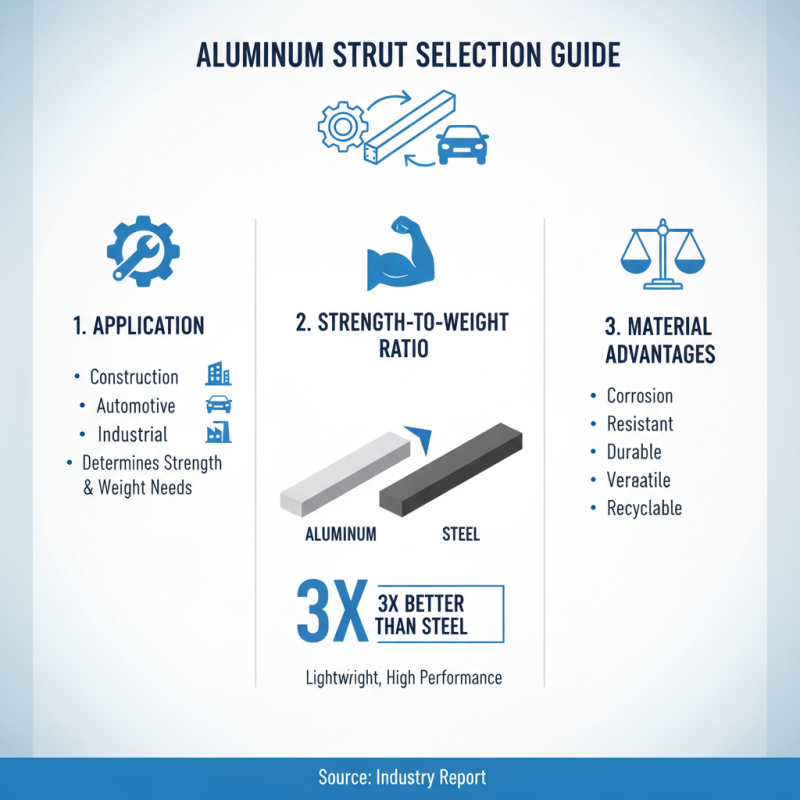
Aluminum struts are structural components made from aluminum, known for their strength and lightweight properties. They offer excellent resistance to corrosion, making them ideal for various applications. Struts support and stabilize structures, often used in construction, automotive, and aerospace industries. A common use is in trusses and framework, where longevity is crucial.
Choosing the right aluminum strut depends on several factors. Consider the load it needs to bear and the environment. Different designs, such as square or rectangular, impact performance. You may also want to evaluate the thickness of the strut. Thicker struts handle more stress but add weight. Finding the balance is essential.
It's important to think about installation as well. Some struts are easier to work with than others. Misjudging this can lead to complications. Moreover, costs matter. Higher quality often means reflecting on budget constraints. Understanding the specific requirements of your project can guide better decisions. Keeping all these aspects in mind is key to effective usage.
Key Properties of Aluminum Strut: Strength, Weight, and Corrosion Resistance
Aluminum struts are essential in various industries due to their unique properties. First, consider strength. Aluminum offers a high strength-to-weight ratio. In fact, its tensile strength can reach around 70,000 psi. This makes it a reliable choice for structural applications that demand durability without excessive weight.
Weight is another critical factor when selecting aluminum struts. Aluminum is significantly lighter than steel, reducing overall project weight. This lightweight nature aids in transport and installation. According to industry reports, aluminum weighs about one-third of steel. This reduction can lead to savings in both shipping costs and labor.
Corrosion resistance is a standout feature of aluminum. It naturally forms a protective oxide layer, preventing deterioration. This can extend the lifespan of structures in harsh environments. Research shows that aluminum can withstand exposure to moisture and chemicals better than many alternatives. However, it's essential to evaluate environmental factors before selection. Not all aluminum grades are equal in terms of corrosion resistance. Understanding these properties helps in making an informed choice.
Common Applications of Aluminum Strut in Construction and Manufacturing
Aluminum struts play a crucial role in various construction and manufacturing applications. These components offer lightweight yet durable support in diverse settings. In commercial construction, aluminum struts are often used in scaffolding systems. According to industry reports, aluminum scaffolding reduces weight by 40% compared to steel. This advantage translates into easier transport and assembly. Contractors appreciate the quick setup, leading to significant time savings on the job site.
In manufacturing, aluminum struts serve as frames for machinery and equipment. Their resistance to corrosion makes them ideal for environments that handle materials prone to rust. Recent studies indicate that aluminum components can extend the lifespan of manufacturing setups by up to 20%. However, not all aluminum struts are created equal. Factors like load capacity and structural integrity vary significantly across products. This disparity necessitates careful evaluation based on specific project needs. Choosing the wrong type may lead to safety concerns and increased long-term costs.
With the growing emphasis on sustainability, aluminum struts are increasingly favored for their recyclability and lower carbon footprint. Industry professionals stress the importance of selecting the right profile to optimize both performance and environmental impact. Inadequate research can result in sub-optimal choices, highlighting the need for informed decision-making in aluminum strut applications.
Factors to Consider When Choosing the Right Aluminum Strut Type
When selecting an aluminum strut, several factors are critical. The primary consideration is the application. Struts are used in various sectors, including construction and automotive industries. Each application demands specific strength and weight requirements. According to a recent industry report, the weight-to-strength ratio of aluminum can be up to three times better than steel, making it a popular choice.
Another important factor is the environment. Aluminum struts must withstand different temperatures and corrosive conditions. For outdoor applications, consider anodized or coated options to enhance durability. Research shows that struts exposed to harsh environments can lose strength if not adequately treated.
**Tips:** Assess your load requirements accurately. It helps in choosing a strut that not only fits the space but also meets safety regulations. Also, check for certifications indicating quality, especially for critical engineering projects. Keep in mind that despite aluminum's advantages, optimizing design is vital to avoid potential pitfalls. Always seek professional input when unsure about specifications.
Industry Standards and Specifications for Aluminum Strut Materials
When selecting aluminum strut materials, understanding industry standards is crucial. These standards ensure safety, reliability, and compatibility in various applications. Common specifications include ASTM B221 for structural aluminum and ASTM B429 for aluminum strut channels. Each standard outlines the necessary mechanical properties, tolerances, and alloy types.
Tips for selecting the right aluminum strut: Check the alloy type. Alloys like 6061 and 6063 are widely used due to their excellent strength-to-weight ratio. Ensure compliance with standards relevant to your project to avoid issues in construction.
It's important to assess your project needs carefully. While many assume all aluminum struts are the same, they vary significantly in strength and durability. Misjudging these factors can lead to structural failures. Always consult with professionals about your specific requirements to ensure a successful outcome.