"*" indicates required fields

Buying Double Glazing across borders involves more than comparing prices. Climate, frame materials, glass coatings, and installation standards all affect performance. A window that works well in a mild coastal town may disappoint in a cold, windy region. Buyers should check product specifications, delivery arrangements, warranty coverage, and local installer experience before committing. Small details matter. A low quoted price may exclude fitting, hardware, or protective packaging.
Building scientist Dr. Joseph Lstiburek is widely associated with the practical maxim, “Build tight, ventilate right.” It offers useful context for window decisions: better-sealed glazing can reduce drafts, but a building still needs suitable ventilation. Double Glazing is not a standalone fix for every comfort or energy problem. Wall insulation, shading, room orientation, and installation quality also shape the result. Even excellent glass cannot compensate for a poorly sealed frame.
This guide presents seven checks for global buyers, from comparing thermal ratings to confirming dimensions and after-sales support. Ask suppliers how their figures were tested, and request clear documentation rather than relying on broad performance claims. Compare equivalent products, not just headline prices. One limitation remains: specifications cannot reveal every issue at a job site. Local professional advice is valuable, especially where weather exposure or existing frames create unusual conditions. The right choice is not always the most expensive one; it is the product that suits the building and can be installed and supported reliably.
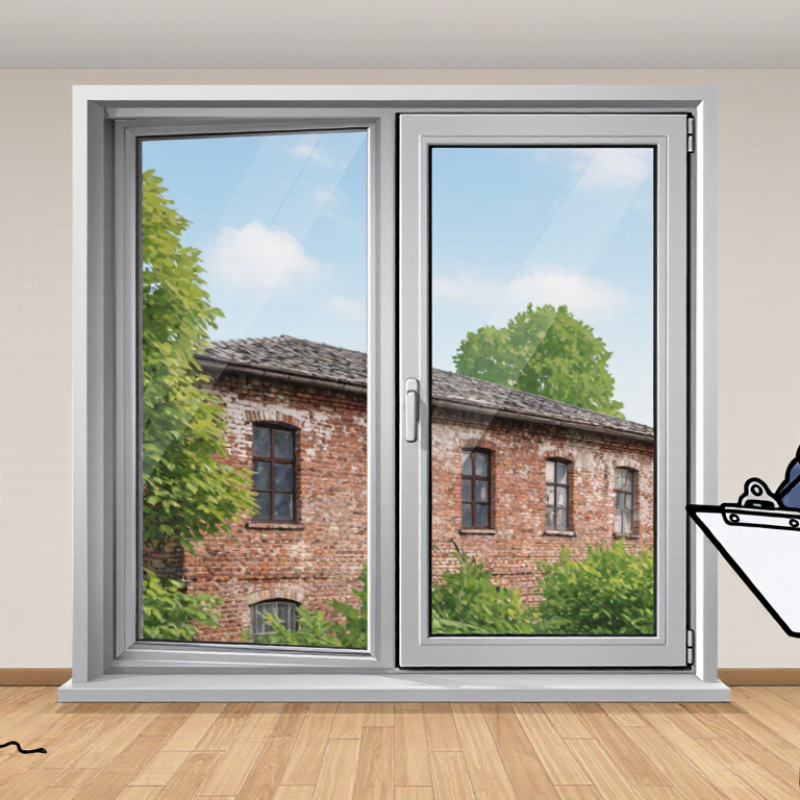
Double glazing uses two panes of glass separated by a sealed gap, but the construction varies. Standard clear units suit many homes, while low-emissivity coatings help limit heat transfer. Argon-filled gaps can improve insulation, though the benefit depends on the whole window, not one feature. A wider gap is not automatically better. Frame design and seal quality matter too.
Read performance ratings as a set. U-value measures heat passing through the window; lower values generally mean better insulation. Solar heat gain ratings describe how much sunlight warms a room, which can be useful in cold climates but uncomfortable in sunny rooms. Air leakage ratings indicate how much draught may pass around the window. Rating systems vary by region, so compare products tested under the same method. Small detail. It changes the decision.
Match the specification to the room and local conditions. A north-facing bedroom may benefit from stronger insulation, while a sunlit living room may need lower solar gain. Ask for test documentation and check whether ratings cover the glass alone or the complete window, including its frame. Installation can undermine good figures: a poorly sealed edge may leave a cold strip near the sill. I have seen buyers focus on the glass and overlook this junction. It is an easy mistake, and sometimes the documents still leave questions. A sample corner or clear installation drawing can help reveal what the rating sheet does not.
| Tip | What to Compare | Typical Options or Rating | Why It Matters |
|---|---|---|---|
| 1. Compare the whole window, not just the glass | Whole-window U-factor or U-value | Lower values indicate less heat transfer. Check whether the figure applies to the complete window or only the centre of the glass. | Frames, spacers and edge details affect performance. Rating methods and units vary by market; U-factor is commonly reported in Btu/(h·ft²·°F) in North America, while U-value is commonly reported in W/(m²·K) elsewhere. |
| 2. Match the glass type to the climate | Clear, low-emissivity (low-E), or solar-control low-E glass | Low-E coatings are designed to reduce radiant heat transfer. Solar-control coatings can also reduce incoming solar heat; their performance is specified by the product, not by a single universal value. | A lower solar heat gain coefficient (SHGC) or g-value can help limit summer heat, while a higher value may be useful where passive solar gain is desired. Choose for orientation, shading and local climate. |
| 3. Ask for the gas and cavity details | Air or gas fill; cavity width | Argon is a common insulating-gas fill. Many insulating glass units use a cavity around 12–16 mm, but the optimum depends on gas, unit design and specifications. | Gas fill and cavity width influence heat transfer. Ask for the tested or certified performance of the complete unit rather than assuming a wider cavity or gas fill guarantees a particular rating. |
| 4. Consider triple glazing where justified | Double versus triple glazing | Triple glazing adds a third pane and a second cavity. It can achieve lower heat loss than comparable double glazing, but exact results depend on coatings, gas, spacers and frame. | It may suit cold climates or demanding energy targets. Consider added weight, frame compatibility, cost and solar-gain requirements before selecting it. |
| 5. Check acoustic performance separately | Sound reduction rating and glass construction | Look for a tested sound rating such as STC or Rw, as applicable in the destination market. Different pane thicknesses, asymmetric panes and laminated glass may improve sound insulation. | A thermal rating does not indicate sound performance. Installation and perimeter sealing also affect the result. |
| 6. Verify safety and durability requirements | Tempered or laminated safety glass; edge and seal quality | Safety-glazing requirements depend on location and application. Ask for documentation showing the glass type, insulating-glass unit construction and applicable test or certification standard. | Doors, low-level glazing and other impact-risk locations may have specific safety-glazing rules. Local building codes determine what is required. |
| 7. Confirm comparable labels and test methods | U-factor/U-value, SHGC/g-value, air leakage and certification | Request the full report or product label, including the test method, rated configuration and whether results cover the glass or complete window. | Ratings from different standards may not be directly interchangeable. Compare products using the same method and check local energy codes, climate zone and installation requirements. |
Note: Performance depends on the complete window assembly, dimensions, installation and test method. Treat product-specific certified ratings as authoritative; the comparisons above are general buying guidance.
"*" indicates required fields