"*" indicates required fields
Choosing the right Discharge Hose Coupler can affect transfer speed, operator safety, and equipment life. In 2026, buyers face more options than simple threaded fittings. Camlock couplers, dry-disconnect designs, flanged connections, and quick-release systems each serve different operating conditions.
This guide examines the leading coupler types through practical selection factors. These include working pressure, temperature range, chemical compatibility, hose diameter, connection frequency, and maintenance access. A coupler used for water transfer may need only fast handling and corrosion resistance. A petroleum, chemical, or food-processing application demands tighter material control and more careful sealing performance. Small details matter, such as a gasket swelling after repeated exposure or a lever becoming difficult to lock with gloves.
Field experience often reveals what product sheets miss. Mud can enter exposed connection points. Vibrations can loosen poorly supported assemblies. A stainless-steel body may resist corrosion, but its gasket still requires regular inspection. Good selection therefore combines manufacturer specifications, verified test data, and the actual conditions at the worksite. Independent standards and qualified technical advice can also strengthen the decision.
No ranking is perfect. The “top” option depends on the media, pressure, layout, and operator habits. Some newer couplers look efficient but may complicate repairs or spare-parts sourcing. That weakness deserves attention. The following overview compares popular 2026 Discharge Hose Coupler types, highlighting their strengths, limitations, and most suitable applications. It aims to support confident purchasing without treating one design as a universal answer. Practical judgment still matters.
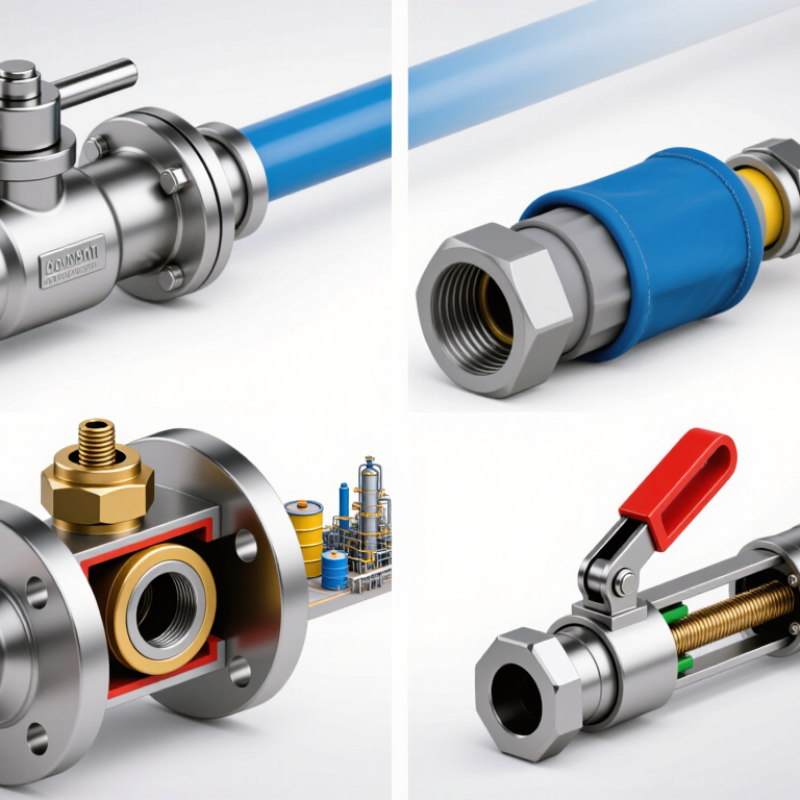
What Are the 2026 Top Discharge Hose Coupler Types?
Discharge hose couplers are mechanical fittings connecting a hose to a pump, pipe, tank, or manifold. Their core functions include sealing the flow path, transferring pressure safely, and enabling controlled disconnection. A properly selected coupler also limits hose twisting near the connection. This small fitting carries serious responsibility.
In 2026, common discharge coupler types include cam-and-groove, threaded, flanged, quick-connect, and dry-disconnect designs. Cam-and-groove couplers support fast handling during routine transfer work. Threaded couplers offer strong engagement, but damaged threads can delay maintenance. Flanged connections suit fixed systems with higher stability requirements. Quick-connect and dry-disconnect types reduce spill exposure during frequent hose changes. The weak point is not always the coupler.
The Industrial Hose Market report by Grand View Research estimated the sector at approximately USD 15 billion in 2023 and projected continued growth through 2030. A separate 2024 analysis from MarketsandMarkets linked growth to expanding fluid-transfer demand and stricter handling requirements. These figures support wider coupler adoption, but they do not replace site testing. Temperature, pressure pulses, fluid viscosity, and hose movement can change real performance. Fit matters more. In field inspections, a visually clean coupler may still show seal compression, grit, or uneven locking. Selecting the 2026 “top” type therefore requires evidence from operating conditions, inspection records, and manufacturer-rated pressure data. A perfect catalog match can still fail when operators overlook alignment.
Discharge hose couplers connect flexible hoses to pumps, pipes, tanks, and other equipment. Their core functions include creating a secure flow path, allowing faster hose installation or removal, reducing leakage risk, and supporting maintenance. The chart shows representative common nominal size ranges in inches; exact availability depends on the coupling standard, hose assembly, pressure rating, and service conditions.
Discharge hose couplers are commonly classified by connection method, material, pressure rating, and working environment. The main types include cam-and-groove, threaded, flanged, quick-connect, and dry-disconnect couplers. Each design changes installation speed, sealing performance, and maintenance needs. No single coupler fits every discharge system.
Cam-and-groove couplers use hinged arms for fast, tool-free connection. They suit temporary transfer lines, water removal, and general fluid handling. Threaded couplers provide a firm connection where vibration or pressure demands extra security. Flanged couplers are heavier and more stable, especially on fixed pumps and large-diameter hoses. Quick-connect couplers reduce downtime during repeated hose changes. Dry-disconnect types help limit spills when operators separate the line.
Materials create another useful classification. Aluminum is light and practical for mobile equipment. Stainless steel resists corrosion and supports demanding chemical environments. Brass can serve moderate-duty systems, while reinforced polymers reduce weight in selected applications. Always match the material with the fluid, temperature, and pressure. A visually strong coupler may still fail through chemical incompatibility.
From field inspections, the most overlooked detail is often the gasket. A damaged seal can leak before the coupler shows visible wear. Locking arms, threads, pins, and hose tails also need regular checks. Pressure ratings should reflect real surges, not only normal operating pressure. I have seen selection decisions based on price alone. That approach saves little after repeated leakage, downtime, and premature hose damage.
For 2026, the leading discharge hose coupler types are cam-and-groove, quick-disconnect, threaded, and flanged couplers.
Cam-and-groove couplers remain popular for water, slurry, and general fluid transfer. They connect quickly without special tools. Their locking arms need full engagement, especially when hoses vibrate during pumping. A visible safety pin can reduce accidental opening.
Quick-disconnect couplers Quick-disconnect couplers suit operations requiring frequent hose changes. Flat-face designs help limit fluid loss and keep dirt away from the connection. They are useful on compact equipment and mobile pumping systems. However, smaller passages may restrict flow. That detail is easy to overlook.
Select the coupler by hose diameter, working pressure, temperature, and fluid compatibility, not convenience alone.
Threaded and flanged couplers Threaded couplers provide a firm connection for steady installations. They resist movement but take longer to remove. Flanged couplers support larger discharge lines and high-flow systems. They distribute mechanical loads well when alignment is accurate. Poor alignment can damage gaskets and create leaks.
Material choice also matters: stainless steel, coated steel, aluminum, and reinforced polymers perform differently in wet or abrasive environments.
In practical inspections, the gasket often fails before the metal body. A careful inspection should check threads, seals, locking parts, and hose clamps.
There is no universal best type. The right choice depends on pressure, handling frequency, maintenance access, and the cost of a failed connection.
In 2026, common discharge hose couplers include cam-and-groove, threaded, quick-disconnect, and flanged designs. Each suits different transfer conditions. Aluminum couplers are light and practical for water, irrigation, and general liquid handling. Stainless steel offers stronger corrosion resistance for aggressive fluids and outdoor exposure. Polypropylene can reduce weight and chemical reaction risks, but temperature limits need careful review. Brass remains useful where moderate pressure and reliable threading matter.
Connection standards prevent costly mismatches. Cam-and-groove couplers should match the required dimensional standard, such as A-A-59326 or an equivalent specification. Quick-disconnect assemblies may follow ISO 7241, while threaded ends often use NPT, BSPP, or BSPT profiles.
These threads are not interchangeable. A fitting can appear correct and still leak under pressure. I have seen this mistake during routine hose replacement.
Pressure ratings deserve more attention than catalog headlines. The complete assembly rating depends on the hose, coupler, gasket, temperature, and connection method. A coupler rated at 150 psi does not make a lower-rated hose safer.
Allowance for pressure spikes is essential. So is checking vacuum service, if applicable. Ratings may also fall as temperature rises. That detail is easy to miss.
Before installation, verify the working pressure, test pressure, fluid compatibility, and locking method against current technical documentation. Mistakes happen when one number is trusted too quickly.
What Are the 2026 Top Discharge Hose Coupler Types?
Choosing the right discharge hose coupler starts with the fluid, not the fitting price. Cam-and-groove couplers suit frequent connection changes and moderate-pressure transfer lines. Threaded couplers provide a firm connection, but they take longer to install. Flanged couplers support larger diameters and heavier systems. Quick-connect and dry-disconnect designs help reduce spillage during transfer. They cost more. That trade-off matters.
Grand View Research valued the global industrial hose market at about USD 15 billion in 2023 and expects continued growth through 2030. The report links demand to chemical processing, water handling, construction, and manufacturing. These sectors use different discharge conditions. A water hose may need corrosion resistance, while a chemical line requires verified elastomer compatibility. The 2024 Industrial Hose Market analysis from MarketsandMarkets also identifies pressure rating, temperature range, and application as key selection factors.
Check the hose inner diameter first. A smaller coupler can restrict flow and increase pressure loss. Confirm working pressure, surge pressure, temperature, and coupling material. Then inspect the seal, locking mechanism, and cleaning access. In field checks, a coupler may fit correctly but still leak after repeated vibration. That is easy to overlook. Match the connection standard and verify the assembly under controlled conditions. Never rely on appearance alone. A practical choice is sometimes less convenient, but easier to inspect and replace.
| Coupler Type | Connection Method | Typical Discharge Applications | Main Advantages | Important Limitations | Common Materials | Connection Speed | Best Selection Criteria |
|---|---|---|---|---|---|---|---|
| Cam-and-Groove Coupler | Two cam arms lock the adapter into the coupler without tools. | Water transfer, fuel handling, agriculture, chemical transfer, dewatering and general industrial service. | Fast connection and disconnection; no wrench required; widely available in many hose and pipe sizes. | Cam arms can open if improperly secured; not normally intended for compressed-gas service; pressure and chemical resistance depend on the design and gasket. | Polypropylene, aluminum, stainless steel, brass and ductile iron; seals may include Buna-N, EPDM, Viton-type elastomers or PTFE. | Very fast | Choose when frequent hose changes, easy handling and broad application flexibility are priorities. |
| Threaded Coupler | Male and female pipe threads are screwed together, usually with a sealing compound or gasket where appropriate. | General-purpose water, air, hydraulic and process piping connections where a fixed or semi-permanent joint is acceptable. | Simple design; economical; easy to source; suitable for many standardized pipe-thread systems. | Slower to install; threads can gall or become damaged; repeated assembly may wear the sealing surfaces; thread standards must match. | Brass, stainless steel, carbon steel, cast iron, thermoplastics and engineered polymers. | Moderate | Choose when the hose is changed infrequently and the required thread standard, size and pressure rating are known. |
| Flanged Coupler | Bolted flanges compress a gasket between matching flange faces. | Large-diameter water discharge, slurry service, wastewater, dredging, mining and stationary industrial systems. | Suitable for large sizes and high mechanical loads; provides a robust, serviceable connection; compatible with many piping systems. | Heavy and relatively slow to assemble; requires bolts, tools, alignment and a correctly selected gasket. | Carbon steel, stainless steel, ductile iron, cast iron and reinforced thermoplastic flange components. | Slow | Choose when diameter, structural strength, alignment stability or compatibility with existing flanged piping is more important than quick changeover. |
| Quick-Disconnect Coupler | A plug and socket engage through a sleeve, ball-lock, poppet or similar locking mechanism. | Portable pumps, washdown systems, hydraulic circuits, pneumatic lines and equipment requiring frequent connection. | Very quick operation; compact; can reduce downtime; many versions are available with automatic valves that limit fluid loss during disconnection. | Flow restrictions may occur through the internal valve; cleanliness is important; the coupler must be rated for the fluid, pressure and temperature. | Steel, stainless steel, brass, aluminum and engineered thermoplastics. | Very fast | Choose when operators need frequent connection and disconnection with minimal tools and controlled fluid release. |
| Dry-Disconnect Coupler | Specialized interlocking halves use internal valves to minimize spillage during connection and disconnection. | Fuel, oil, solvents, chemicals and other fluids where leakage, vapor release or contamination must be controlled. | Significantly reduces product loss and operator exposure compared with open-transfer couplings; supports cleaner transfer operations. | Usually costs more; internal components can restrict flow; compatibility, grounding and operating procedures are critical for hazardous fluids. | Stainless steel, plated steel, aluminum and chemically compatible sealing materials such as PTFE or selected elastomers. | Fast | Choose when spill prevention, vapor control, environmental protection or worker safety is a primary requirement. |
| Sanitary Clamp Coupler | Ferrules are joined with a clamp and a hygienic gasket, creating a smooth, cleanable connection. | Food and beverage processing, dairy, pharmaceutical production, biotechnology and clean-fluid transfer. | Tool-light assembly; easy inspection and cleaning; smooth internal geometry can reduce contamination traps. | Requires sanitary components and compatible gasket materials; clamps must be tightened correctly; unsuitable for every high-pressure or abrasive service. | Typically 304 or 316 stainless steel with EPDM, silicone, PTFE or other approved sanitary elastomers. | Fast | Choose when hygienic design, cleanability, regulatory requirements and product protection are essential. |
| Grooved Mechanical Coupler | A housing engages a groove in the pipe or fitting and compresses a gasket around the joint. | Large water discharge lines, fire-protection systems, HVAC, industrial utilities and mining or process piping. | Fast for larger pipe sizes; allows some flexibility and can simplify installation compared with fully bolted flanges. | Requires accurately grooved compatible components; gasket selection is important; not suitable for every hose construction or fluid. | Ductile iron, carbon steel, stainless steel and elastomeric gaskets. | Moderate | Choose when a large-diameter piping system already uses grooved connections and installation speed is important. |
| Camlock with Safety Locking Feature | Cam-and-groove engagement is supplemented by locking pins, clips or guarded handles. | Fuel transfer, chemical handling, bulk liquid transfer and applications subject to vibration or frequent movement. | Retains the quick operation of a camlock while helping prevent accidental handle movement. | Safety features do not replace correct pressure, temperature and chemical compatibility checks; the assembly still requires inspection. | Stainless steel, aluminum, brass, polypropylene and compatible elastomeric seals. | Very fast | Choose when quick-connect performance is needed but accidental disconnection risk must be reduced. |
Selection note: Always verify the coupler size, hose inside diameter, maximum working pressure, temperature range, fluid compatibility, gasket material, electrical grounding requirements and applicable safety standards. The allowable pressure of a complete hose assembly is limited by its lowest-rated component.
"*" indicates required fields