2026 Top Cone Mantle Liner Suppliers for Global Buyers?
Choosing among the 2026 top Cone Mantle Liner suppliers requires more than comparing prices or catalog photographs. Buyers need evidence from real crushing conditions. Feed size, rock abrasiveness, chamber design, closed-side setting, and expected throughput all influence liner performance. A mantle that lasts twelve weeks in granite may fail quickly in recycled concrete.
Dr. Tim Napier-Munn, a respected comminution specialist, offers a useful principle: “Good process decisions begin with reliable measurements, not confident claims.” This reminder fits Cone Mantle Liner purchasing closely. Supplier rankings should consider material chemistry, casting consistency, dimensional accuracy, and technical support after delivery. Laboratory hardness data matters. Field results matter more.
The strongest suppliers explain their selection process clearly. They identify suitable manganese grades, recommend compatible bowl liners, and provide installation guidance. Some also monitor wear profiles and help operators adjust the crusher before uneven loading develops. Practical support.
Global buyers should examine traceability, inspection records, export experience, and replacement lead times. A low quotation can become expensive when a liner arrives late or fails prematurely. That assumption is easy to make. It is also worth challenging.
This guide reviews leading Cone Mantle Liner suppliers for 2026 through a buyer-focused lens. It considers performance, reliability, customization, documentation, and service coverage. No supplier is ideal for every quarry or mining site. The right choice depends on measurable operating demands, honest communication, and a willingness to verify claims before purchase.
Cone Mantle Liners: Definition, Function, and Key Applications
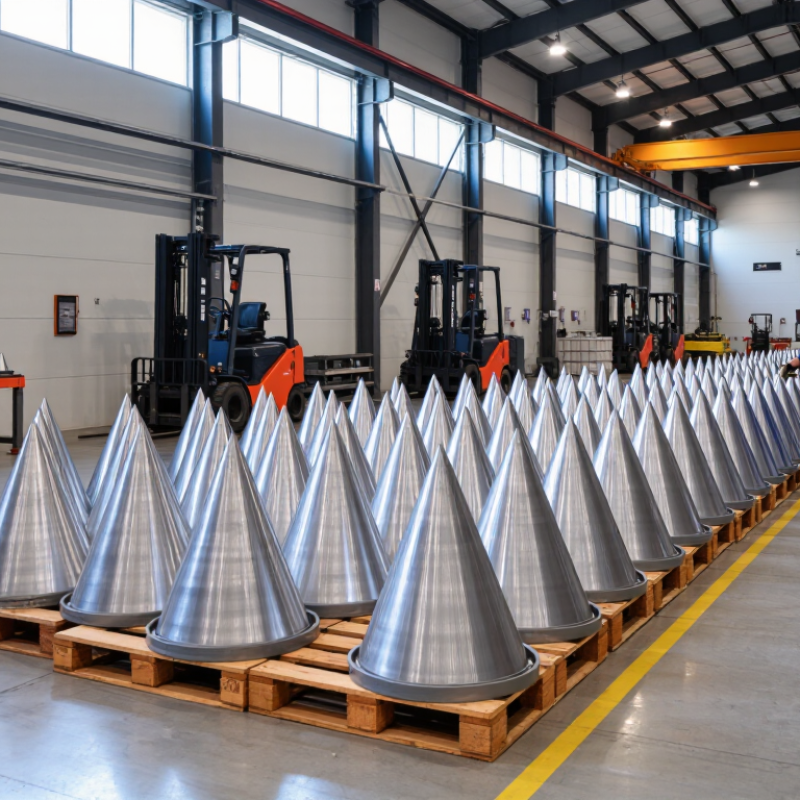
Cone mantle liners are replaceable wear parts inside cone crushers. They work with a concave to compress stone, ore, and recycled aggregate. The mantle moves in an eccentric motion. Material is squeezed until it reaches the required size. Its profile controls crushing chamber volume, product shape, and throughput. A poorly matched profile can create uneven wear and unstable output.
These liners serve demanding applications, including quarrying, mining, road construction, and concrete recycling. Experienced buyers should examine material hardness, feed size, moisture, and expected production volume. Manganese steel is widely used because it hardens under impact. However, alloy selection depends on the crushing environment. A liner lasting longer is not always the best choice if it reduces capacity. Field measurements, verified drawings, and wear records make supplier evaluations more reliable. Small gaps can cause serious damage.
Tips: Measure twice. Confirm the crusher model, liner dimensions, and installation method before ordering. Request material certificates and inspection records from potential suppliers. Compare wear-life data under similar conditions, not only advertised figures. Check packing quality, delivery controls, and technical support for global shipments. Keep photographs of worn liners; they often reveal feed segregation or incorrect settings. Assumptions fail in real plants. Recheck them.
Global Market Requirements for Cone Mantle Liner Suppliers
2026 Top Cone Mantle Liner Suppliers for Global Buyers?
Global buyers now require more than low-priced cone mantle liners. According to Grand View Research, the global cone crusher market is projected to grow at over 5% annually through 2030. This growth increases demand for stable casting quality, shorter replacement cycles, and dependable technical support. Suppliers should provide manganese steel certificates, hardness results, dimensional records, and heat-batch traceability. Each mantle must seat correctly, without visible gaps or uneven contact.
Practical buyers measure cost per processed ton, not purchase price alone. A liner lasting 1,200 operating hours may outperform a cheaper liner lasting 800 hours. However, reported wear life needs operating evidence. Request test results from similar feed sizes, abrasiveness levels, and crusher settings. Industry maintenance studies consistently identify unplanned downtime as a major cost driver in crushing plants. Therefore, suppliers should offer accurate drawings, installation guidance, export-safe packaging, and realistic lead-time commitments. Fast delivery matters.
Global requirements also vary by region. Documentation, material declarations, inspection procedures, and language support can affect procurement approval. Independent inspection may be useful for large orders. It is not excessive. Some suppliers still rely on general hardness numbers while ignoring casting porosity or profile accuracy. That weakness can create premature wear. No ranking is perfect, because geology and operating discipline change the result. Buyers should compare verified field data, not polished quotations.
2026 Global Buyer Requirements for Cone Mantle Liners
Manganese content ranges commonly referenced in austenitic manganese steel specifications for cone crusher mantle liners.
Global buyers typically request certified chemical composition, solution heat treatment, dimensional inspection, traceability, and wear-performance documentation. ASTM A128 Grade A specifies a minimum manganese content of 11%, Grades B-1 through B-4 commonly use an 11–14% manganese range, and Grade B-5 uses approximately 18–21% manganese. Final material selection should match the crusher model, feed characteristics, operating conditions, and applicable regional standards.
How to Evaluate Cone Mantle Liner Manufacturers and Products
2026 Top Cone Mantle Liner Suppliers for Global Buyers?
How to Evaluate Cone Mantle Liner Manufacturers and Products
Choosing a cone mantle liner requires more than comparing prices or catalog photographs. Experienced buyers should examine the manufacturer’s casting process, alloy selection, and quality controls. Ask for material certificates, hardness ranges, heat-treatment records, and dimensional inspection reports. A reliable supplier should explain how its liner fits your cone crusher model and operating conditions.
Measure the fit.
Request evidence from real applications, not only laboratory claims. Useful records include service hours, feed size, rock abrasiveness, and replacement reasons. Compare wear patterns from similar mines or quarries. No test predicts every ore condition. This limitation matters.
A liner lasting 1,000 hours in soft limestone may fail quickly in highly abrasive granite. Check whether the supplier offers traceability from melting batch to finished component. Independent inspections can also reveal uneven thickness, casting cracks, or machining errors.
Tips: Send accurate drawings and worn samples before requesting a quotation. Confirm tolerances, lifting points, packaging, and delivery terms in writing. Discuss technical support during installation, especially for overseas sites. A low price can become expensive when poor fit causes vibration or premature wear. Ask how rejected parts are handled. Also, review communication quality. Delayed answers may indicate weak production coordination, though this is not always conclusive. Keep a small trial order before committing to large volumes. Surface appearance can mislead. Performance data matters more.
Top Cone Mantle Liner Suppliers for International Buyers in 2026
For international buyers in 2026, top cone mantle liner suppliers offer more than replacement parts. They provide accurate fit, stable metallurgy, and practical support across borders. A mantle liner must match the crusher model, chamber design, and feed conditions. Small dimensional errors can cause uneven wear, vibration, or costly downtime.
Experienced buyers usually request material certificates, hardness ranges, and inspection records before placing an order. High-manganese steel remains common, while some applications require modified alloy grades. Supplier engineers should explain how liner profiles suit abrasive rock, recycled material, or high-impact feed. Clear drawings matter. So does reliable communication.
Export-ready suppliers should confirm production capacity, packaging details, spare-part availability, and realistic delivery times. Strong suppliers also offer sample approval and traceable quality checks. Independent testing can reduce uncertainty when specifications are unclear. It may add cost, but rushed purchases often cost more. A polished website proves little. Factory audits, customer references, and consistent measurements provide stronger evidence.
Buyers should compare total operating value, not only the quoted unit price. A cheaper liner may wear quickly or arrive without usable documentation. Regional stock can shorten delays, although storage conditions deserve attention. Even trusted suppliers can make mistakes with old crusher models. Careful verification remains necessary. The best international partnerships grow through technical honesty, responsive service, and measurable wear results.
Ordering, Quality Control, and After-Sales Considerations
Choosing top cone mantle liner suppliers requires more than comparing prices. Experienced buyers should send accurate drawings, material specifications, and operating conditions before requesting quotations. Include feed size, abrasion level, expected throughput, and machine model. A reliable supplier should confirm dimensions, alloy chemistry, hardness range, and production lead time in writing. I have learned that unclear drawings create expensive delays.
Quality control should include pre-production approval and final inspection records. Ask for heat-treatment data, hardness results, dimensional reports, and photographs before shipment. Each liner should have traceable batch information. Check critical seating surfaces carefully; small deviations can cause uneven wear or vibration. A polished certificate is not proof of consistent performance. Independent inspection may be worthwhile for large orders, although it increases cost.
Tips: Order one sample set first when the supplier is new. Compare weight, fit, surface finish, and wear after use. Clarify packaging, spare-part availability, warranty limits, and response times before payment. After-sales support should include installation guidance, troubleshooting, and a practical claim process. Request replacement terms for incorrect dimensions or manufacturing defects. Do not accept vague promises. Some suppliers answer quickly before ordering, then respond slowly after delivery. That possibility deserves attention. Keep inspection photos and communication records, even when the relationship feels reliable.
