2026 Best HDMI Extender Tx Types for Global Buyers?

Choosing the right Hdmi Extender Tx in 2026 requires more than checking transmission distance. Global buyers must compare signal stability, compatibility, installation space, and regional power requirements. A transmitter that performs well in a short office setup may fail across a crowded hotel network or a long commercial cable route. Small details matter. HDMI version, HDCP support, EDID handling, and connector quality can affect the final image.

This guide introduces the main Hdmi Extender Tx types available for international projects. It examines point-to-point copper solutions, fiber-based transmitters, IP network models, and wireless alternatives. Each type suits different environments. A Cat6 transmitter may provide a practical choice for meeting rooms. Fiber can offer stronger performance across large buildings and electrically noisy areas. IP-based systems may support flexible distribution, but they often require careful network planning and managed switches.

Real installation conditions can be less predictable than product specifications suggest. Heat, cable bends, network traffic, and mixed display brands may reduce reliability. Marketing distances can also look better than everyday results. That deserves attention. Buyers should verify testing methods, warranty coverage, technical support, and local compliance before ordering. This article compares performance, limitations, and value across major Hdmi Extender Tx categories. It aims to support informed decisions, while recognizing that no single transmitter fits every global application. A little caution prevents expensive rework.
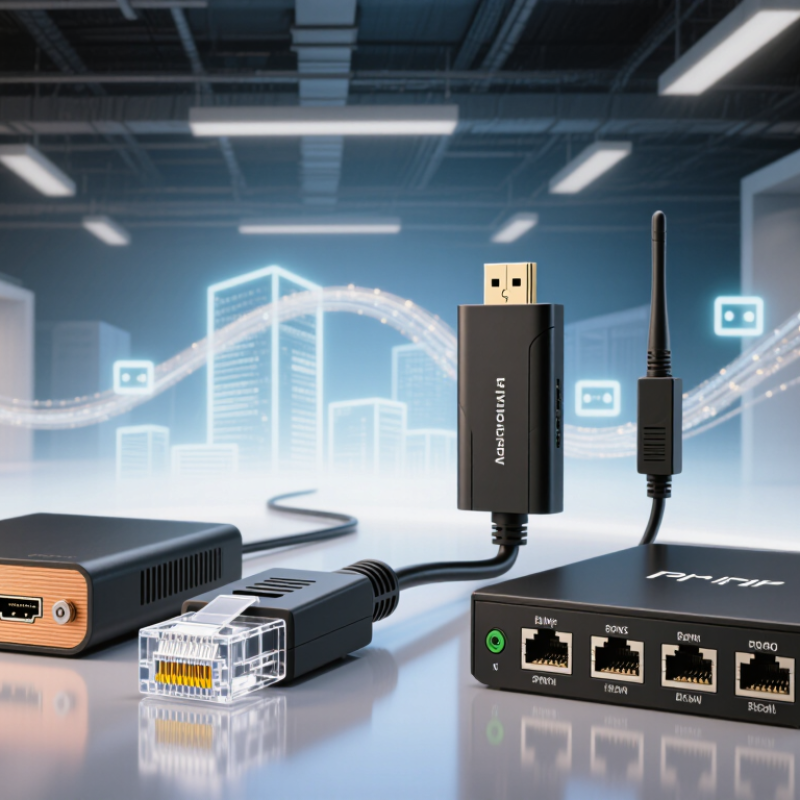
2026 Best HDMI Extender Tx Types for Global Buyers?

What Is an HDMI Extender Tx and How Does It Work?

For global buyers in 2026, understanding the HDMI extender Tx matters more than choosing the longest advertised distance. An HDMI extender Tx, short for transmitter, sends video and audio from a source to a remote display. It sits beside a media player, camera, computer, or switching system.

The Tx reads HDMI signals, including resolution, audio data, and copy-protection information. It then converts that data into a format suitable for another cable or network. A matching receiver, called Rx, converts the signal back for the display. Common Tx types include point-to-point copper units, network-based transmitters, fiber transmitters, and wireless models. Copper systems often use structured cabling and suit offices or classrooms. Fiber versions handle longer routes and resist electromagnetic interference. Network-based units can serve many screens, but they require careful network planning.

Real installations reveal the weak points.

A Tx may support 4K on paper, yet perform poorly with a long cable, weak power supply, or incompatible display settings. Check EDID handling, HDCP compatibility, color format, refresh rate, and expected latency before purchase. Fiber models may need different connectors and trained installers. Wireless systems can be convenient, but walls, crowded radio channels, and distance affect stability. Regional electrical certification and local service support also deserve attention. I have found that simple point-to-point designs are easier to troubleshoot, although they may offer less flexibility later. Specifications help, but testing the complete source-to-display chain remains the more reliable decision.

Which HDMI Extender Tx Types Will Matter Most in 2026?

In 2026, HDMI extender transmitter types will matter according to distance, bandwidth, and installation conditions. Copper-based Tx units using twisted-pair cabling remain practical for classrooms, meeting rooms, and retail spaces. They are affordable, serviceable, and familiar to installers. However, cable quality and grounding still affect stability. Distance changes everything.

Fiber-optic HDMI Tx units will become more important for stadiums, hospitals, campuses, and control centers. They support longer runs with less signal loss and better resistance to electrical interference. For 4K and emerging 8K systems, buyers should check bandwidth, refresh rate, color depth, and HDCP compatibility. A transmitter may advertise high resolution, yet fail under real content conditions. Field testing remains essential.

IP-based HDMI transmitters may attract global buyers because they support flexible routing across managed networks. They can simplify expansion, but network design becomes part of the AV project. Latency still matters. Wireless Tx types will suit temporary displays and spaces where cabling is difficult, although crowded radio environments can reduce reliability. I once underestimated the effect of nearby equipment on wireless performance. That mistake changed my testing method. Buyers should request documented latency figures, EDID behavior, thermal limits, and recovery performance after signal interruption. Cheap hardware can work perfectly in a showroom, then behave differently after eight hours of continuous operation.

How Do HDMI Extender Tx Technologies Compare by Distance and Signal?

Choosing an HDMI extender Tx in 2026 depends less on marketing distance and more on signal conditions. A transmitter sends video and audio through copper, fiber, or a network connection. The correct type must match resolution, refresh rate, and cable environment. A basic copper Tx may support full HD across roughly 50 meters. It is practical for classrooms and meeting rooms.

For longer runs, HDBaseT-style Tx systems commonly reach about 100 meters over suitable twisted-pair cable. They can carry uncompressed video, control data, and sometimes power. However, installation quality matters greatly. Poor termination can create sparkles, black screens, or intermittent audio. I have found that 4K signals are less forgiving, especially at higher refresh rates. Distance claims often assume ideal cable, clean grounding, and no sharp bends.

Fiber Tx units are better suited to campuses, auditoriums, and control centers requiring several hundred meters. They resist electromagnetic interference and preserve high-bandwidth signals over long paths. IP-based Tx systems offer flexible routing and distribution across managed networks. Yet compression, switching delays, and network congestion may affect live content. Wireless Tx options reduce cabling, but walls and crowded radio channels can weaken performance. The overlooked detail is testing. A short trial with the actual source, display, and cable often reveals limitations that specification sheets hide. Sometimes, the cheaper choice is not the safer one.

2026 Best HDMI Extender Tx Types for Global Buyers

How HDMI extender Tx technologies compare by typical distance and signal capability.

Tx technology Typical signal capability Best-fit application
Passive copper HDMI 1080p60 and short-distance 4K60 Small rooms and short equipment racks
Active optical HDMI 4K60; higher-bandwidth versions may support HDMI 2.1 signals over shorter distances Long point-to-point links with low electromagnetic interference
HDBaseT 3.0 4K60 4:4:4 over category cable, subject to installation quality Commercial AV, classrooms, meeting rooms and digital signage
HDMI over multimode fiber 1080p and 4K60 on suitable extender pairs; format support varies by receiver Campus, venue and industrial links requiring long reach

Distances show typical maximum link lengths commonly specified for correctly matched transmitter and receiver pairs. Actual performance depends on resolution, refresh rate, chroma format, color depth, cable category, fiber type, connectors, EDID handling and installation conditions.

Which Features Should Global Buyers Check Before Purchasing?

2026 Best HDMI Extender Tx Types for Global Buyers: Which Features Should Global Buyers Check Before Purchasing?

Choosing an HDMI transmitter starts with the installation distance and cable route. For short commercial links, a copper Tx over CAT6 or CAT6A usually offers practical pricing and simple maintenance. Fiber Tx models suit campuses, factories, and venues where signals travel hundreds of meters. Wireless Tx options reduce cabling, but walls, interference, and latency can affect results. They are not always the easiest choice.

Check the supported resolution, refresh rate, color depth, and bandwidth together. A transmitter claiming 4K support may handle only lower refresh rates. Confirm HDMI version compatibility, HDCP support, HDR handling, and EDID management before ordering. These details prevent blank screens during source switching. Test the actual source and display combination when possible. Paper specifications can look reassuring.

Global buyers should inspect connector quality, power input range, thermal design, and operating temperature. PoE can simplify installation, but verify compatibility between the Tx and receiver. For fiber systems, confirm single-mode or multimode requirements, wavelength, and field-replaceable modules. Ask for EMC, safety, and regional compliance documents, not vague statements. Warranty coverage and technical support across time zones also matter. I would not ignore firmware updates. Still, firmware can occasionally introduce new problems, so keep a tested version available.

How Can Buyers Match HDMI Extender Tx Types to Regional Needs?

Regional buyers should match an HDMI extender transmitter, or Tx, to distance, infrastructure, and operating conditions. Copper Tx units suit short links inside meeting rooms, classrooms, and retail counters. Category-cable versions are practical when structured cabling already exists. Fiber Tx units fit stadiums, factories, and campuses where cable runs exceed typical copper limits. Test the actual route, not the brochure distance. Walls, patch panels, and electrical noise can change results.

Network-based HDMI Tx units deserve attention in regions with strong IP infrastructure. The Cisco Annual Internet Report projected global IP traffic at 396 exabytes per month by 2022, up from 122 exabytes in 2017. That growth supports wider AV-over-IP deployment, but bandwidth is not unlimited. Buyers should check switch capacity, multicast handling, latency, and local technical support.

The International Telecommunication Union reported 5.4 billion people online in 2023, representing 67% of the global population. Yet connectivity quality remains uneven. A network Tx may be excellent in a modern office and frustrating in a remote venue.

Power compatibility, climate, and service access also matter. Fiber can reduce interference, but it may require careful connector cleaning and trained installers. Copper is easier to replace, though heat and poor cable routing can expose weaknesses.

My field experience suggests ordering a sample unit first. It is less exciting. It often prevents an expensive regional mismatch. Buyers should document resolution, refresh rate, audio format, and recovery time under real local conditions before placing a larger order.

"*" indicates required fields